Reflections on the Long Road to an HIV Vaccine in Light of the Miraculous Arrival of COVID-19 Vaccines — Written on World AIDS Day 2025
Justin D. Lee
In recent years, the rapid development of COVID-19 vaccines has not only saved countless lives but also demonstrated the remarkable power and boundless potential of modern science. Yet, as we celebrate this achievement, we cannot help but think of another global public health crisis — AIDS — and the enormous challenges it faces in vaccine development.
The COVID-19 Vaccine: A Miracle of Scientific Innovation
Looking back to early 2020, as the COVID-19 pandemic spread rapidly around the world, researchers worldwide responded swiftly and threw themselves into vaccine development. Within just a few months, multiple vaccines entered clinical trials and subsequently received emergency use authorization from regulatory agencies. Among them, the mRNA vaccines developed by Pfizer/BioNTech and Moderna, with their remarkable efficacy, became the mainstay of global vaccination campaigns.
This unprecedented speed of development was not only thanks to breakthroughs in genetic technology, particularly the maturation of mRNA vaccine technology, but also represents a new blueprint for future vaccine development. By precisely designing mRNA sequences, scientists enabled human cells to produce specific antibodies against the virus, effectively preventing infection. This innovation not only accelerated the development of COVID-19 vaccines but also provided new approaches for vaccine development against other infectious diseases.
The HIV Vaccine: More Than Four Decades of Difficult Exploration
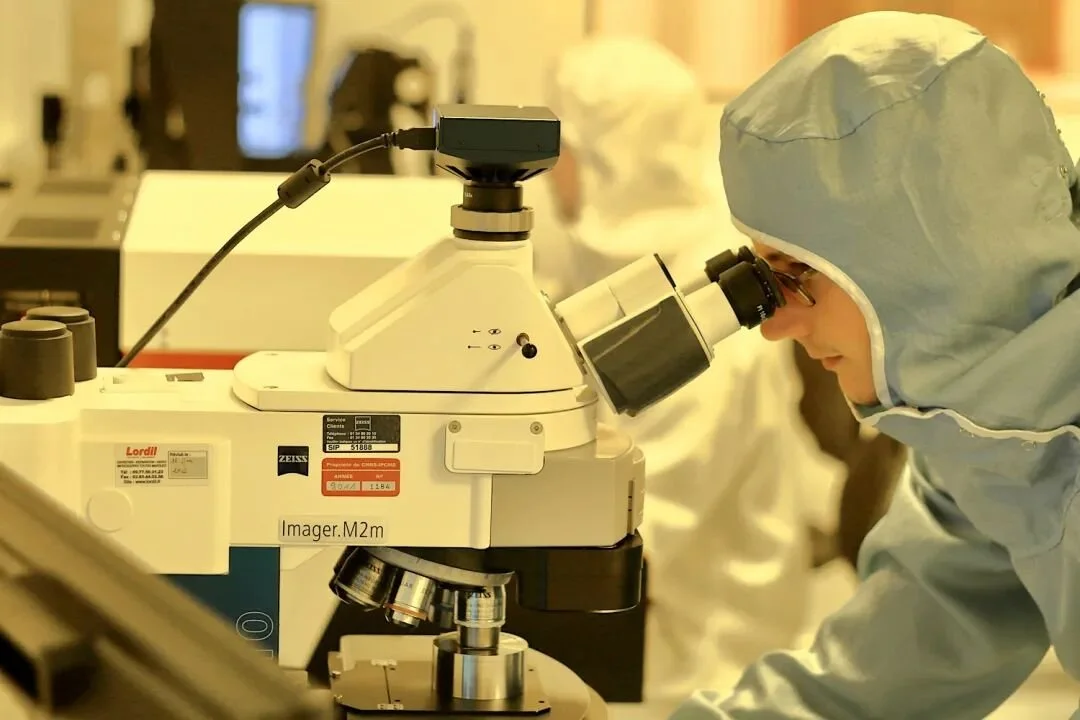
However, in stark contrast to the rapid development of COVID-19 vaccines, the path to an HIV vaccine has been exceptionally arduous. Since HIV was discovered in the early 1980s, researchers have invested decades of effort, yet to this day, no vaccine has been found that can provoke a robust immune response and effectively prevent HIV/AIDS.
Over the past 40 years of HIV vaccine development, researchers from Thailand, the United States, the United Kingdom, Australia, and other countries have repeatedly announced that a vaccine would soon be available, only to later abandon their efforts. The repeated near-certain hopes that then faded have been devastating blows to these scientists.
HIV's rapid mutation capability and high degree of diversity make vaccine development extraordinarily complex. Traditional vaccine mechanisms typically rely on stable viral targets to stimulate immune responses, but HIV's characteristics make this strategy extremely difficult to implement. Furthermore, some scientists have proposed even bolder views, suggesting that it may be overly simplistic to regard HIV as the sole causative agent of AIDS. They point out that the pathogenesis of AIDS may involve multiple pathways and factors, further compounding the difficulty of vaccine development.

Scientific Innovation and Paradigm Challenges
The rapid development of COVID-19 vaccines and the long search for an HIV vaccine not only reflect stark differences in biomedical research priorities and funding but also provoke reflections on scientific innovation and paradigm challenges. The urgency of the COVID-19 pandemic spurred unprecedented global collaboration and investment, enabling major breakthroughs in vaccine development in a short period. Yet HIV/AIDS, a disease with equally severe consequences, has not received the same level of attention and support.
This contrast reminds us that in the face of global health crises, scientific innovation holds tremendous potential, but it also requires adequate resources and collaboration to succeed. At the same time, for a disease as complex and difficult to conquer as HIV/AIDS, we may need to re-examine existing scientific paradigms and explore new research paths and methods.

Future Hopes and Challenges
Although the path to an HIV vaccine remains fraught with challenges, scientists have not given up. They are continuously exploring new vaccine technologies and strategies in an attempt to find a way to effectively combat HIV. At the same time, research into the pathogenesis of AIDS and treatment strategies is deepening, and more breakthrough progress is expected in the future.
The rapid development of COVID-19 vaccines has provided us with valuable experience and insights, showing us the immense power of scientific innovation in the face of global health crises. However, for a complex disease like HIV/AIDS, we must still maintain patience and determination, continue to strengthen research investment and collaboration, and work together to overcome this global public health challenge.
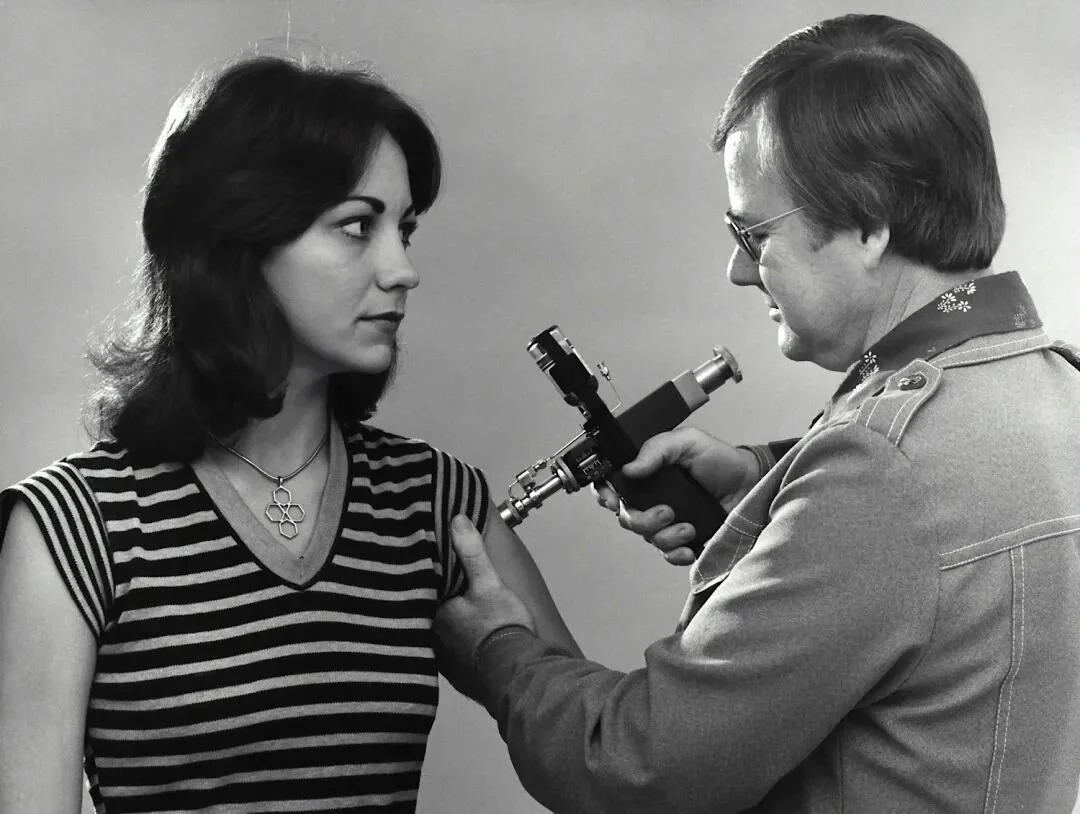
In conclusion, from the miracle of COVID-19 vaccines to the long search for an HIV vaccine, we witness a reality in which scientific power and challenges coexist. Although the road ahead is full of unknowns and difficulties, as long as we persistently pursue truth and innovation, we will surely find the key to defeating disease and contribute even more to human health and safety.