

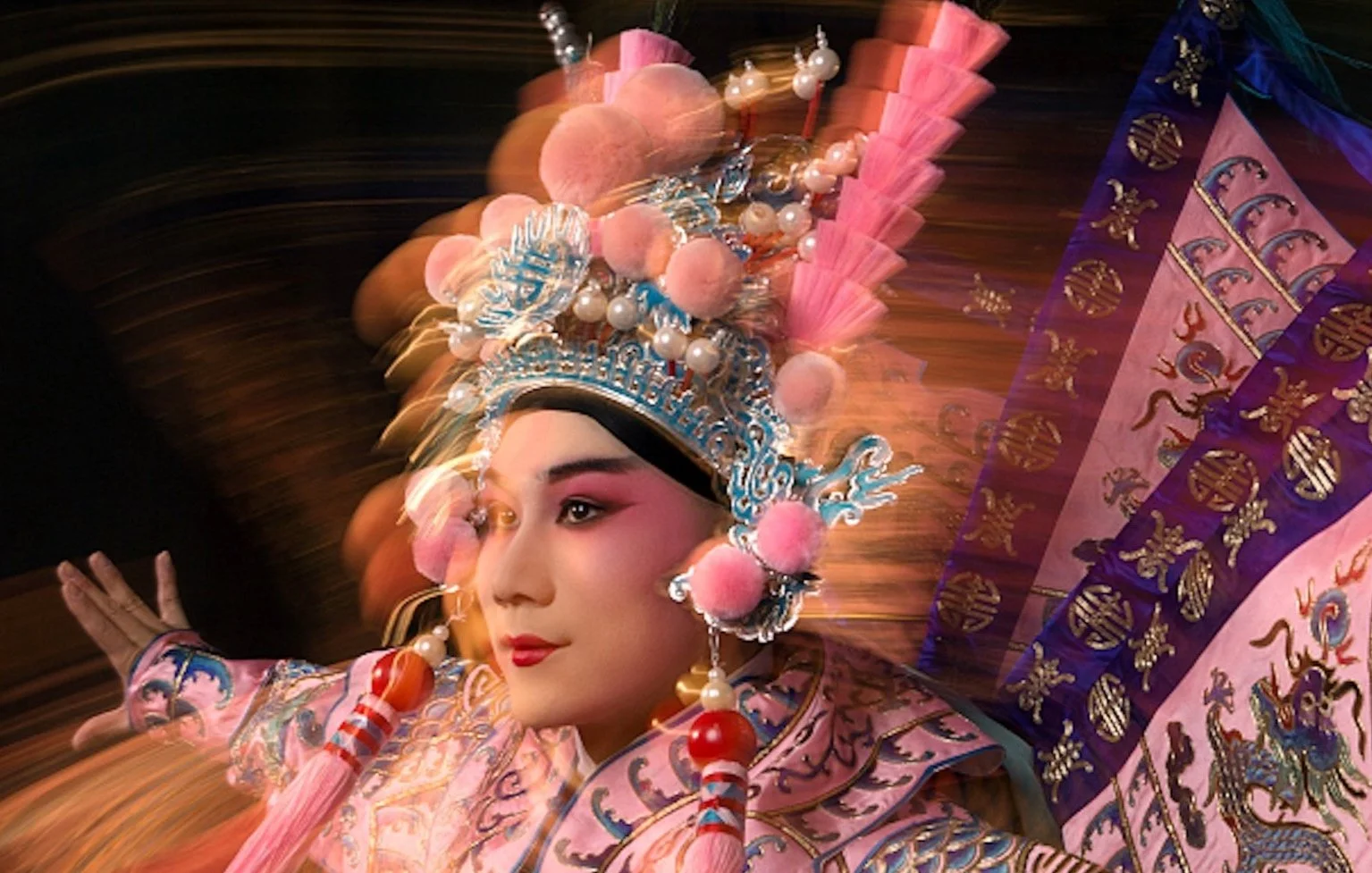
Selection of Beijing Opera
Peking opera, or Beijing opera (Chinese: 京剧; pinyin: Jīngjù), is the most dominant form of Chinese opera which combines music, vocal performance, mime, dance and acrobatics. It arose in Beijing in the mid-Qing dynasty (1636–1912) and became fully developed and recognized by the mid-19th century.
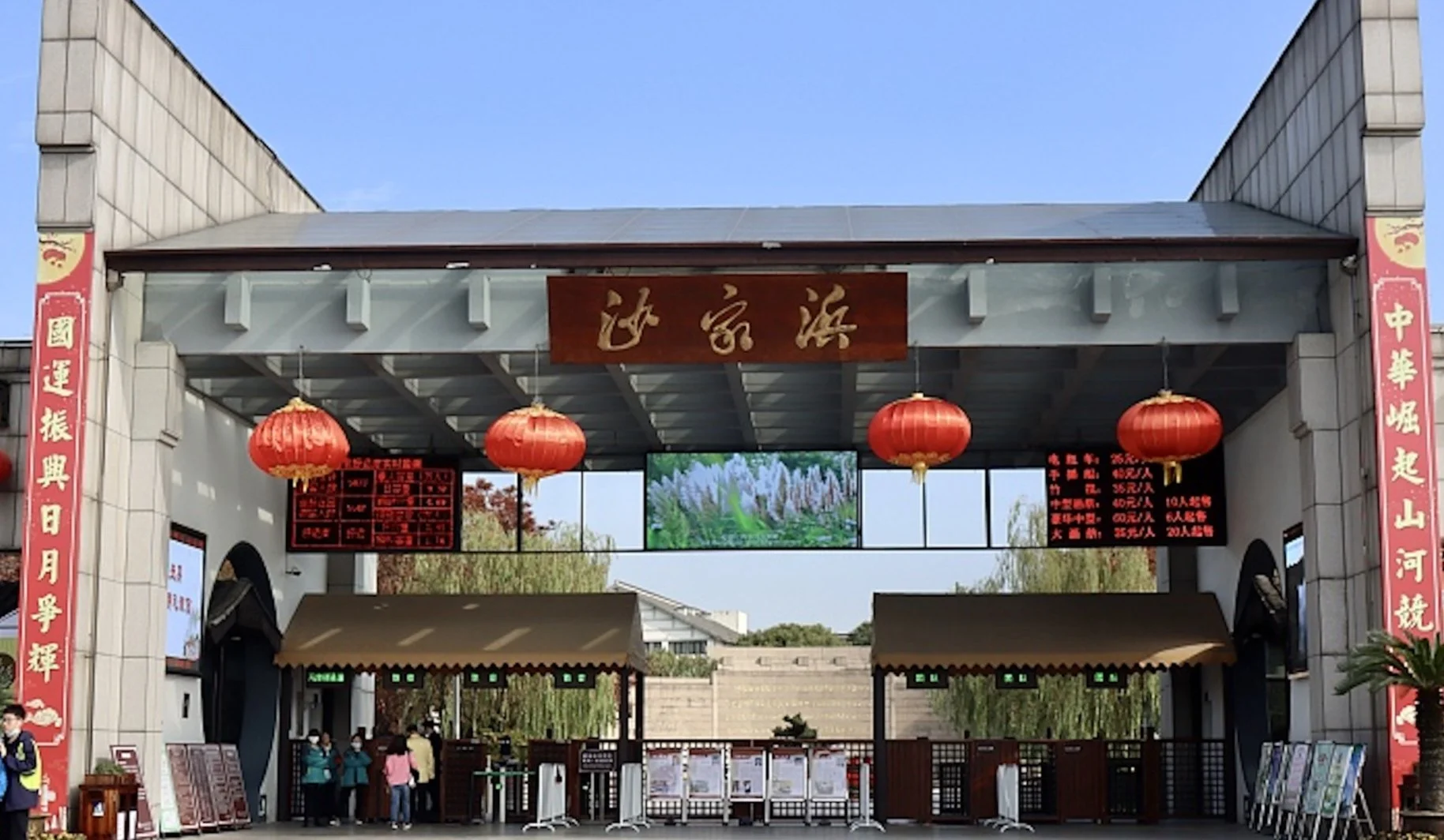
ShaJiaBang (Symphony)
Peking opera, or Beijing opera (Chinese: 京剧; pinyin: Jīngjù), is the most dominant form of Chinese opera which combines music, vocal performance, mime, dance and acrobatics. It arose in Beijing in the mid-Qing dynasty (1636–1912) and became fully developed and recognized by the mid-19th century.

ErHuang/Xipi Yuanban (1/2)
Peking opera, or Beijing opera (Chinese: 京剧; pinyin: Jīngjù), is the most dominant form of Chinese opera which combines music, vocal performance, mime, dance and acrobatics. It arose in Beijing in the mid-Qing dynasty (1636–1912) and became fully developed and recognized by the mid-19th century.

ErHuang/Xipi Yuanban (2/2)
Peking opera, or Beijing opera (Chinese: 京剧; pinyin: Jīngjù), is the most dominant form of Chinese opera which combines music, vocal performance, mime, dance and acrobatics. It arose in Beijing in the mid-Qing dynasty (1636–1912) and became fully developed and recognized by the mid-19th century.

Azalea Mountain
Azalea Mountain is the story of the growth of a south China peasant self-defence force in the spring of 1928.
This was a turning-point in the history of the Chinese revolution. Kuomintang-Communist co-operation in 1924 led to the great anti-imperialist, anti-feudal revolution. Then in 1927, when the revolution was victoriously developing, Chiang Kai-shek betrayed it and Chen Tu-hsiu in the Communist Party carried out a capitulationist line. The great revolution was thus defeated.
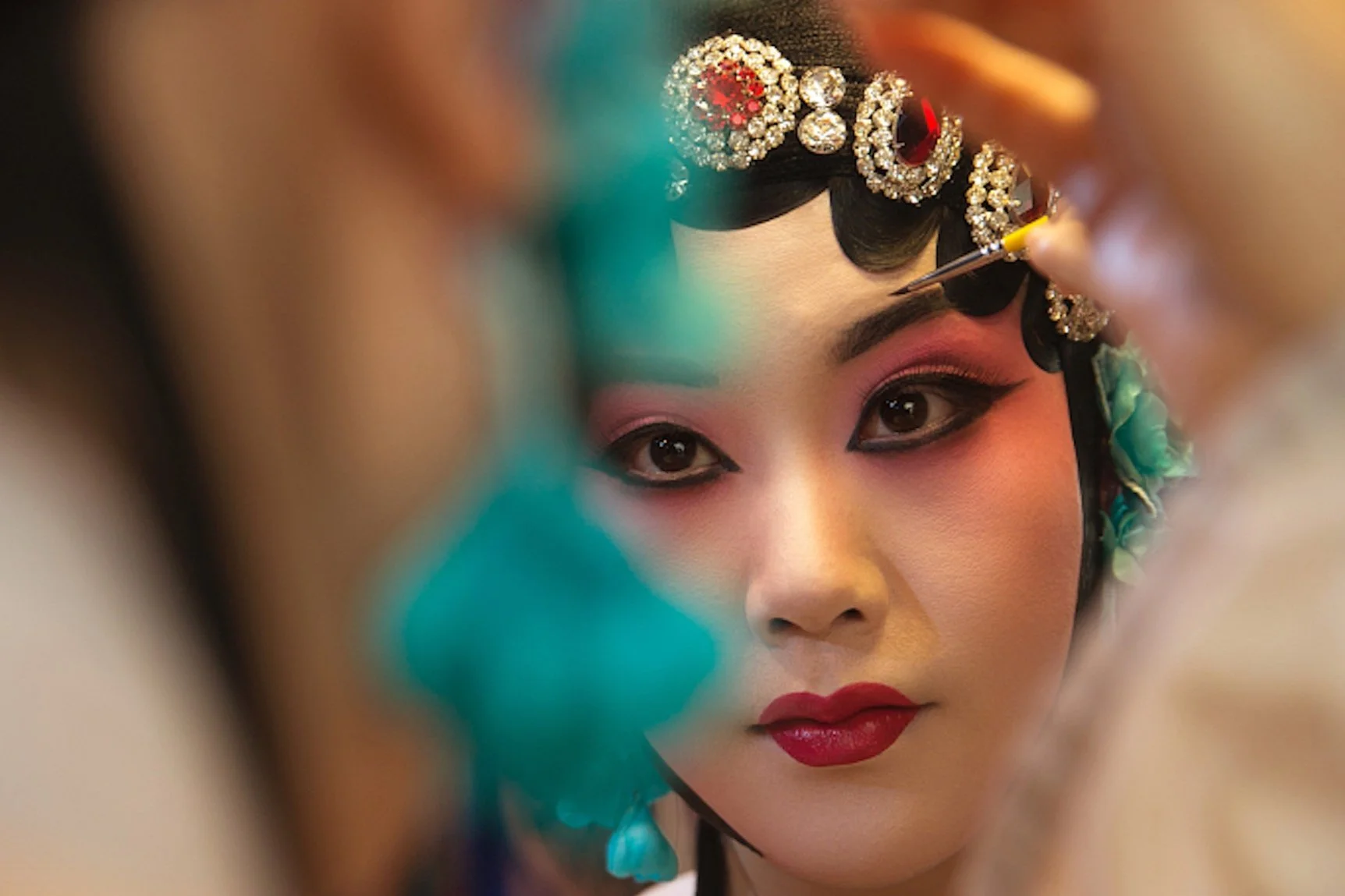
In Praise of the Longjiang River
Longjiang Song (龙江颂, Ode to the Dragon River) started out as a spoken drama, but was later changed to Beijing Opera. It was part of the model works that were produced after 1969.
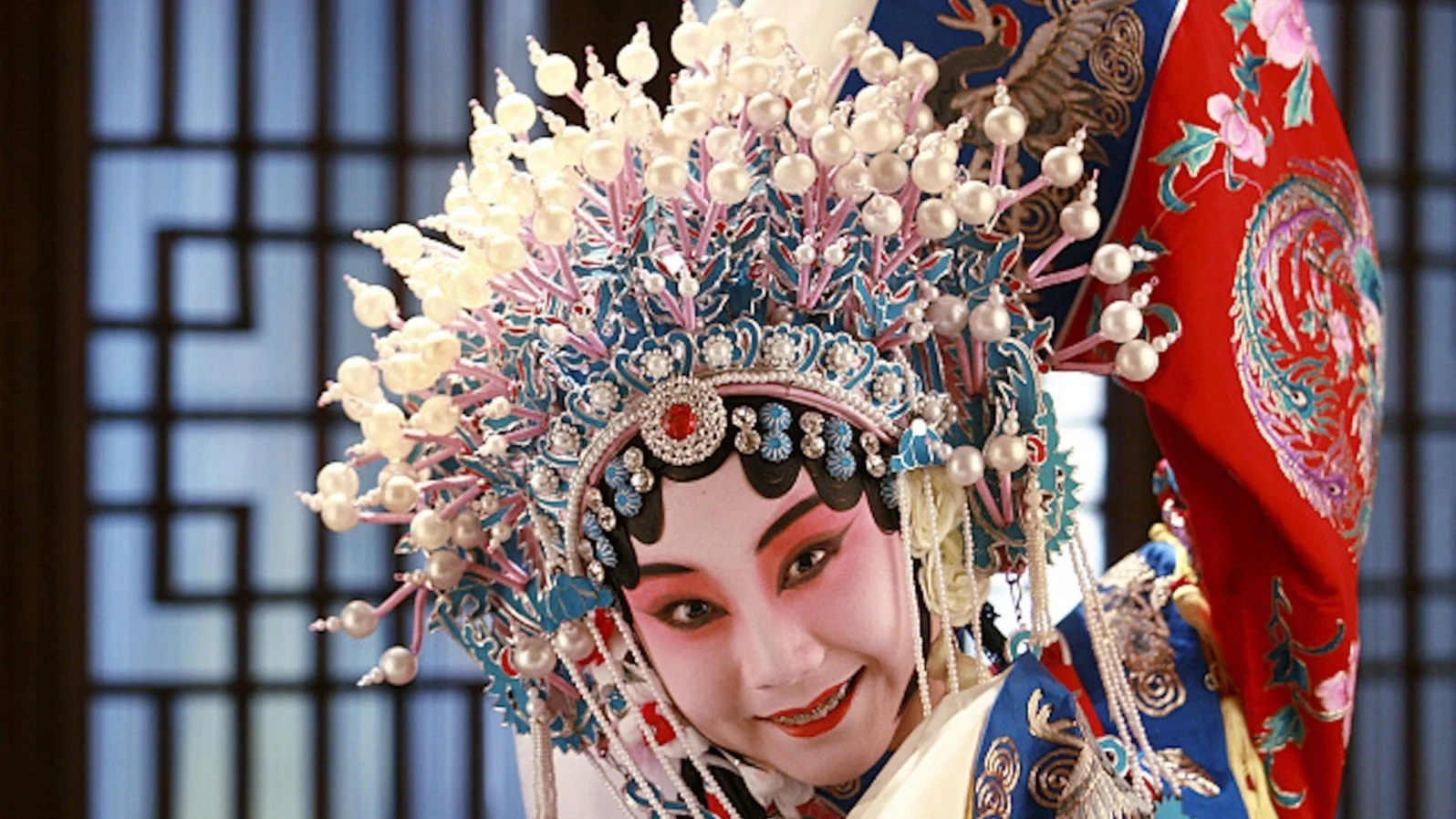
Selection of Shangdang Bangzi
Shangdang Bangzi is one of the four kinds of local operas in Shanxi Province, popular in the southeast of Shanxi. It was called Shangdang GongDiao in Daoguang period. Shangdang Bangzi mainly sings Bangzi opera, and also sings Kunqu Opera, Pihuang opera, Luoluo opera and Juan opera, commonly known as "kunbang Luojuan Huang". It was popular in the middle and late Qianlong period of Qing Dynasty. During the Jiaqing and Daoguang periods, there were numerous troupes, famous actors, dramas and schools, and it entered a period of vigorous development.