The Future of Smart Airports Has Arrived: The Technology Upgrades and Innovations Behind Shenzhen Airport's Trial of "No Need to Remove Laptops for Screening"
Justin D. Lee
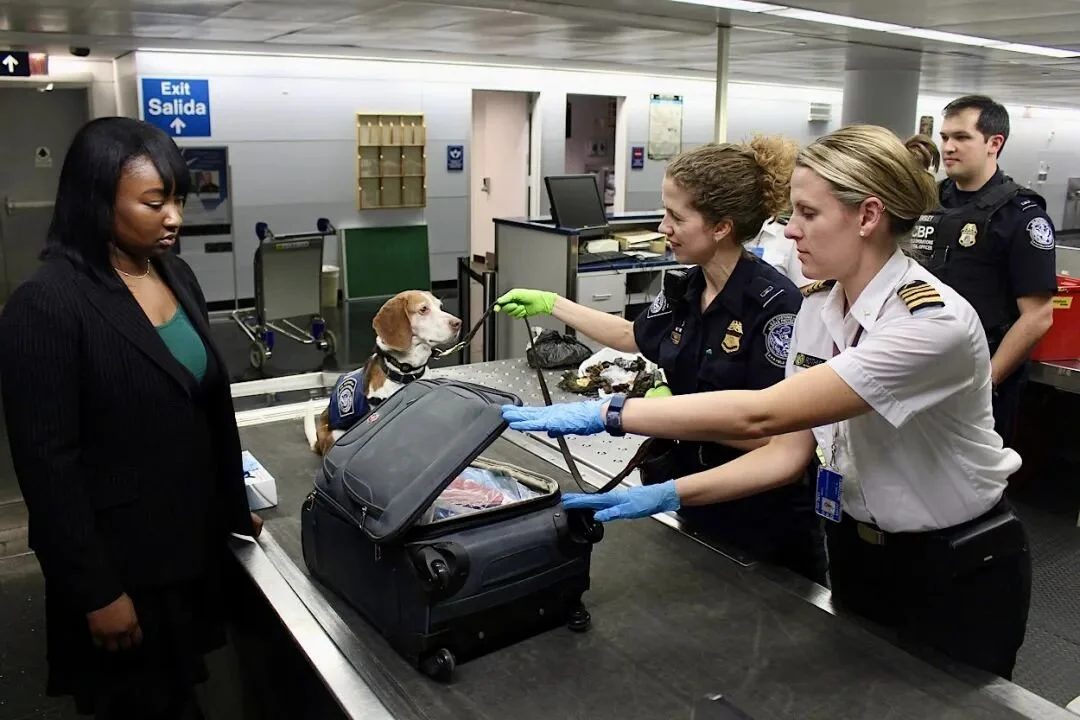
As a "seasoned graduate" of electronic engineering, my love for electronic devices has never diminished, even decades after leaving school. Every time I travel, my backpack looks like a small electronics exhibition stand — laptop, tablet, power bank, smartwatch, wireless earbuds, mobile sensors, a remote home ECG monitor, various adapters and connectors… Most people pack clothes; I pack gear.
However, this passion of mine often leads to secondary inspections, questioning, waiting, and repacking during airport security checks. I could write a "blood-soaked history" of airport security from the perspective of a gadget enthusiast: my backpack, the nightmare of security screeners.
Recently, Shenzhen Airport announced that it would trial the policy of no longer requiring passengers to remove laptops during security screening. Travelers can now leave their laptops in their bags as they go through the checkpoint, further streamlining the security process. This policy has been welcomed by many business travelers and frequent flyers, but some have also wondered: Why is Shenzhen Airport able to pilot such a policy? Aren't they worried about security risks?
In fact, this change is not simply a matter of "loosening security" but is rather based on "smart security technology upgrades" and "optimized, precision risk control measures."
1. Technological Backbone: New-Generation CT Security Equipment + AI Intelligent Recognition
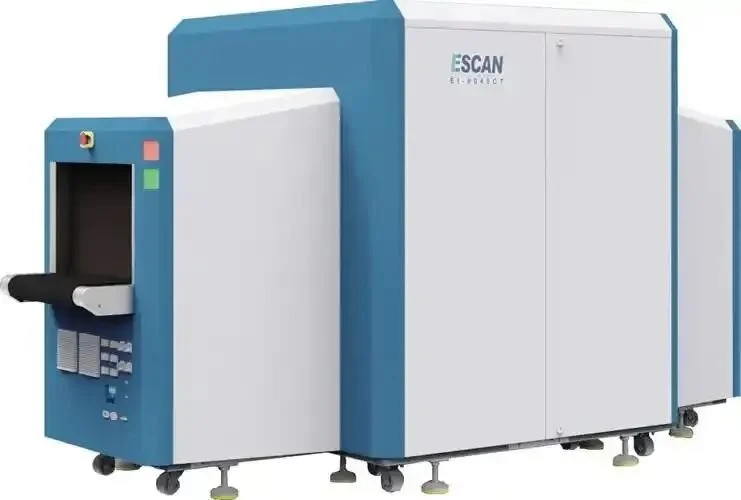
The core support for Shenzhen Airport's policy adjustment is the deployment of new-generation CT (computed tomography) checked baggage screening equipment. Compared with traditional X-ray machines, CT scanners offer the following advantages:
· 3D Stereo Imaging: Traditional X-ray machines only provide 2D images, requiring screeners to view from multiple angles to determine the nature of items. CT equipment generates high-definition 3D images, allowing screeners to rotate and view the contents of baggage from 360 degrees, significantly improving identification accuracy.
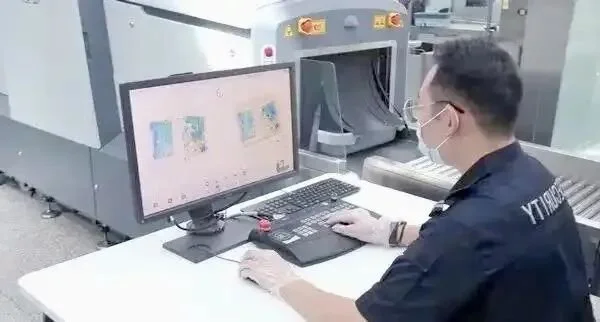
· AI Intelligent Recognition: The system has built-in AI algorithms that can more accurately and automatically mark electronic devices, liquids, metal items, etc., reducing the burden on human screeners. Even when a laptop remains inside a bag, it can be clearly identified.
· Lower False Alarm Rate: In traditional security screening, electronic devices with complex internal structures like laptops often trigger alarms, leading to frequent bag searches. CT equipment can more precisely distinguish between dangerous items and ordinary electronics, reducing unnecessary inspections.
· Explosive Detection Capability: This equipment also features explosive detection capabilities, serving as a powerful supplement to image analysis. It offers a wider detection range, further enhancing the objectivity, accuracy, and scientific rigor of inspections, thereby optimizing the efficiency and quality of airport security. The addition of explosive detection to CT equipment makes security checks more comprehensive, strengthening both accuracy and objectivity. This dual-detection mechanism ensures the safety of both passengers and the airport.
Currently, Shenzhen Airport has deployed CT scanners across its main security checkpoints, providing the hardware foundation for the "no need to remove laptops" policy.
2. Risk-Based Security Screening: Precision Control and Enhanced Efficiency
In addition to technological upgrades, Shenzhen Airport has also adopted a "differentiated security screening" model. Based on data such as passengers' travel history, ticket purchase information, and behavioral analysis, passengers are assessed and classified by risk level:
· Low-risk passengers (e.g., frequent flyers, business travelers) can enjoy fast-track screening without removing laptops.
· Medium- to high-risk passengers (e.g., first-time flyers, those with unusual behavior patterns) may still be required to open their bags for inspection.
This model has already been widely adopted at major international airports (e.g., Singapore Changi, Amsterdam Schiphol), improving both security efficiency and overall safety.
3. Industry Trend: Airports Worldwide Are Advancing Toward "Seamless Security"
Shenzhen Airport is not the first airport in China to trial such a policy:
· Beijing Daxing Airport: Piloted "laptops can remain in bags" as early as two years ago, though the trial was not subsequently implemented permanently.
· Shanghai Pudong Airport: Has tested similar measures in some security channels.
· Overseas airports: Such as London Heathrow and Tokyo Haneda, already allow laptops to remain in bags during screening.
The International Air Transport Association (IATA) has also been promoting "Smart Security" in recent years, aiming to reduce passenger queuing times while improving screening accuracy. Shenzhen Airport's adjustment aligns with this global trend.
Conclusion
Shenzhen Airport's policy adjustment is not only a demonstration of technological upgrading but also the implementation of a "passenger experience-centric" service philosophy. In the future, with further application of AI, big data, and automated equipment, airport security may achieve truly "seamless passage," making travel more efficient and convenient.
For passengers who frequently travel with laptops, this is undoubtedly good news — your backpack will no longer have to endure the ordeal of being repeatedly unpacked on the security checkpoint table!